
Mirin is one of Japanese cooking’s core ingredients and a bottle is always close by in my kitchen. In the UK; it’s an ingredient that people are increasingly familiar with and it’s a regular sight now in the supermarkets.

Although it is often found in my student’s kitchens, there can be confusion about what exactly Mirin is and how to use it. I often hear people referring to it as a vinegar, perhaps because of its appearance and consistency. It is more like a sweet wine or sherry, slightly more syrupy. In fact, recently teaching in the deepest French countryside, I used Sherry instead as a replacement.
So why is Mirin such a vital part of Japanese cookery? Mostly this is down to its sweetness. It’s a sweet rice wine, similar to Sake but with a higher sugar content. The sugar is a complex carbohydrate formed naturally during the fermention process. So using it, brings a lot of sophisticated sweetness compared to refined sugar. It also brings with it essential amino acid, that refined sugar does not; giving that distinctive “Umami” depth of flavour.
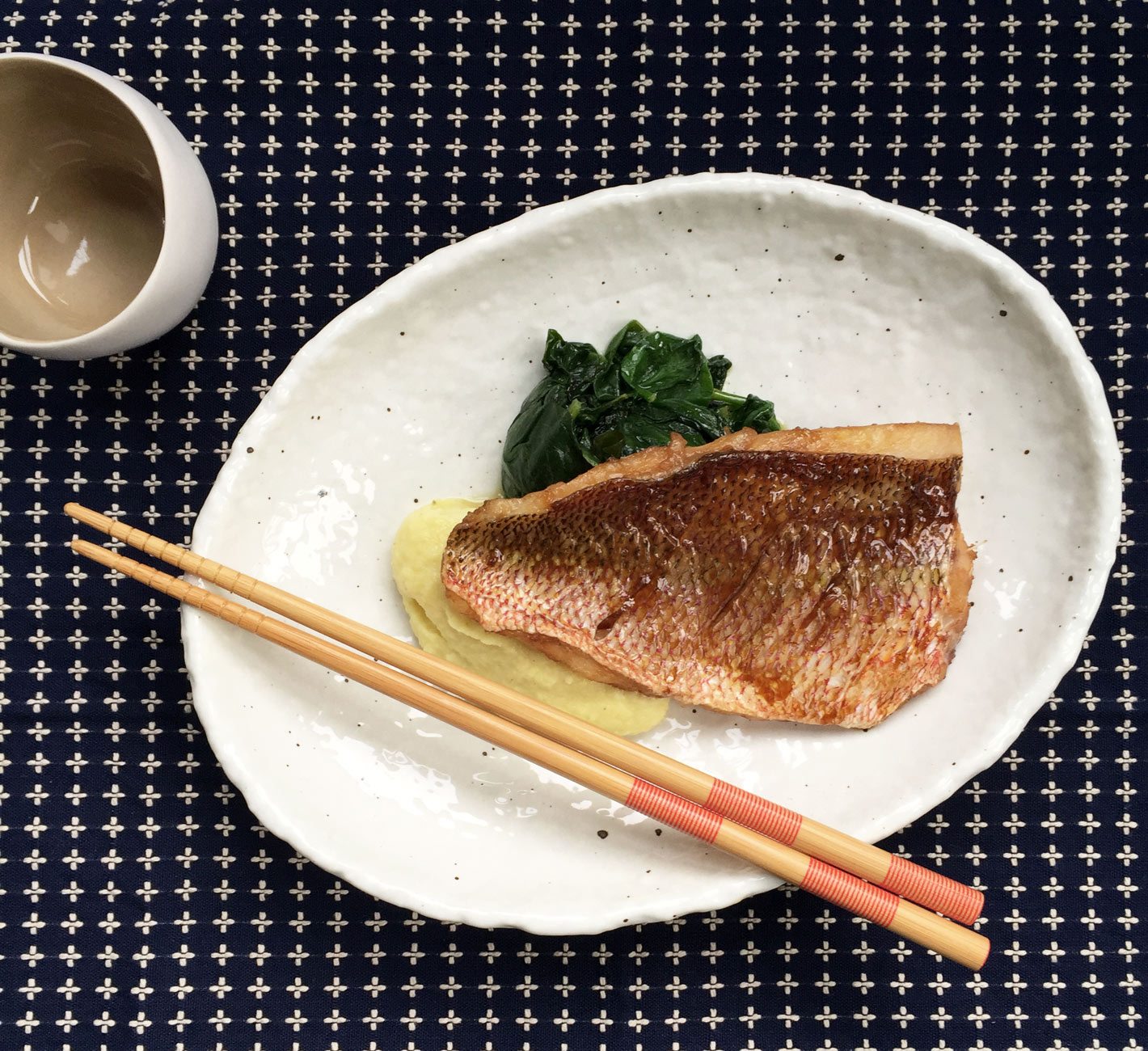
Eating with the eyes, is so important for the Japanese and using Mirin is great for creating a beautiful shiny glaze. When the liquid is heated during cooking, the alcohol burns off and caramelises leaving the meat, fish, or tofu with a distinctive sheen.
It holds the meat or fish together once cooked and brings a glazed, jewel like quality particularly to fish dishes.
Many types of Japanese Mirin
Above all my favourite mirin is called Mikawa mirin. The mirin from the Mikawa region in Japan’s Aichi prefecture; is considered to be the finest mirin you can get. The name is protected like Champagne and applies only to mirin from that region. It has a lovely, distinctive amber colour with an amazing aroma. You can get hold of it here, from Clearspring.
Also available, is Hon mirin, produced by a traditional fermentation method using Japnese rice, koji mold and Japanese “Shochu”, it ages for nearly a year.
Mirin has an alcohol content of around 10-14%, most of this is cooked off however. I certainly wouldn’t recommend drinking it like you would sake!
Teriyaki Sauce
Teriyaki sauce, so well known, is in my opinion; the quintessential mirin dish. TERI means glazing or caramelising and YAKI means grilled, sautéed or roasted.
The sweetness of the sauce is produced by adding mirin; however some restaurants might cheekily use sugar instead of Mirin. A shame because it loses that complex flavour and you might find that distinctive sugar coating on your teeth, after eating it. However, if you are in a remote place, with no mirin, a little sugar (highest quality available) could be a rescue ingredient.
Recipe
Here is my easiest Teriyaki sauce recipe. It is quick to make and you can keep in the fridge for up to 2 weeks.
Make a small jar at a time, keep it stored and you shouldn’t need to buy it ready-made from the supermarkets anymore. It is also much lighter and less sticky than the store bought version.
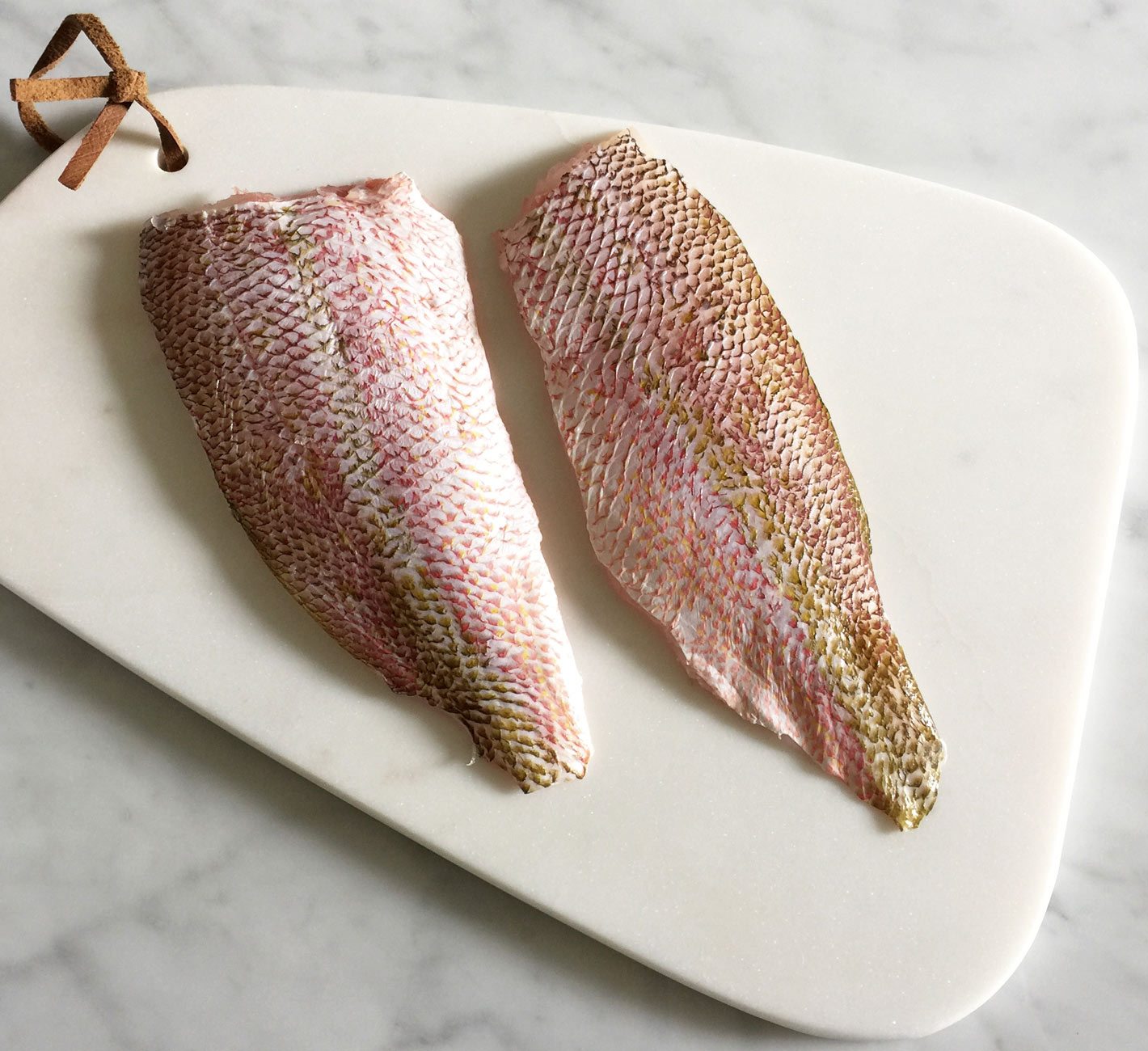
Here you can see the beautiful, fresh red snapper I bought from my local fishmonger. You could use salmon, cod, mullet, sea bass, sea breams, chicken, beef or minced pork or vegetables such as brocolli simply glazed with the sauce.
Use it as a sauce, not a marinade; in this sense it is a great fast food. Pan fry the main meat or fish and pour the sauce over at the end before serving.

Simple Teriyaki Red snapper Serves 2
4 fillets Red snapper (small size)
½ tbp vegetable oil for cooking
Corn flour for dusting/coating fish
Sliced chilli or ginger, for optional kick
Sesame seeds to garnish
Teriyaki sauce
2tbp Mirin
2tbp Soy sauce
2tbp Sake
1tbp Brown sugar
Mix all teriyaki sauce ingredients in a small bowl.
Coat the fish with corn flour and sauté for 2-3 minutes on each side in a very hot non-stick pan, with vegetable oil. If you like, throw in some sliced red chilli or ginger for added flavour and kick.
Remove from the heat and pour the teriyaki sauce over the fish immediately. Put the pan back on the heat, taking great care to keep it from burning. Leave the fillets in the pan until they caramelise. This should take a minute or two, for two fillets.
Sprinkle white sesame seeds on top of the fillets and serve.


Warning: count(): Parameter must be an array or an object that implements Countable in /home/myjapan2/backup.yukiskitchen.com/wp-includes/class-wp-comment-query.php on line 405